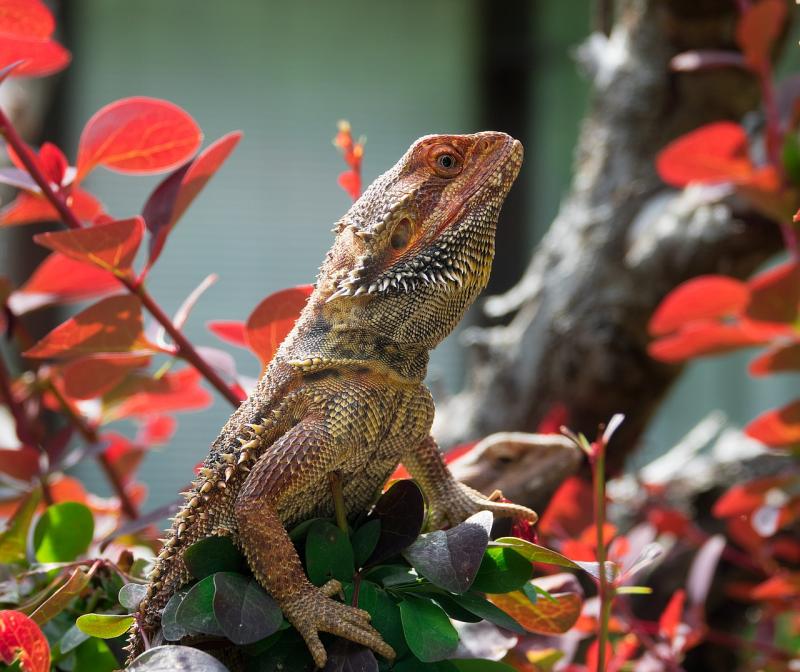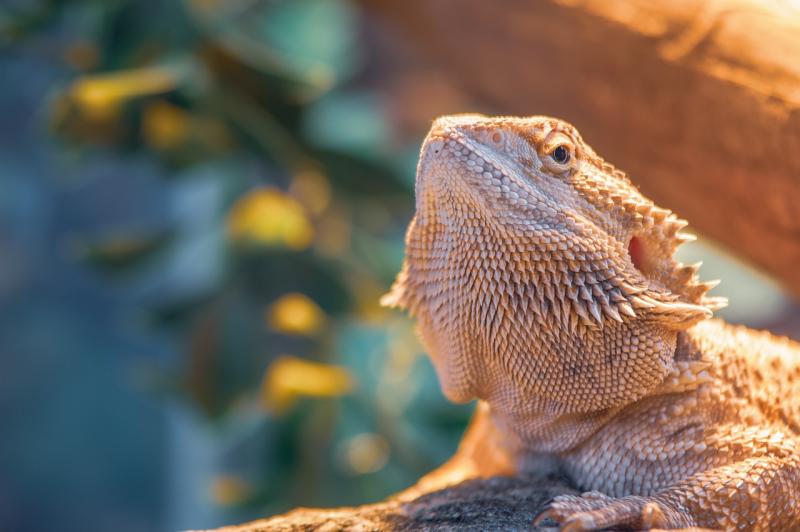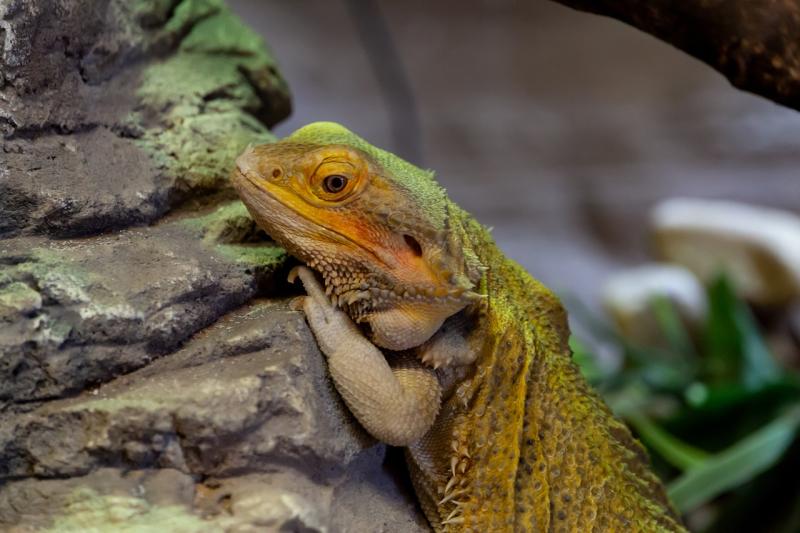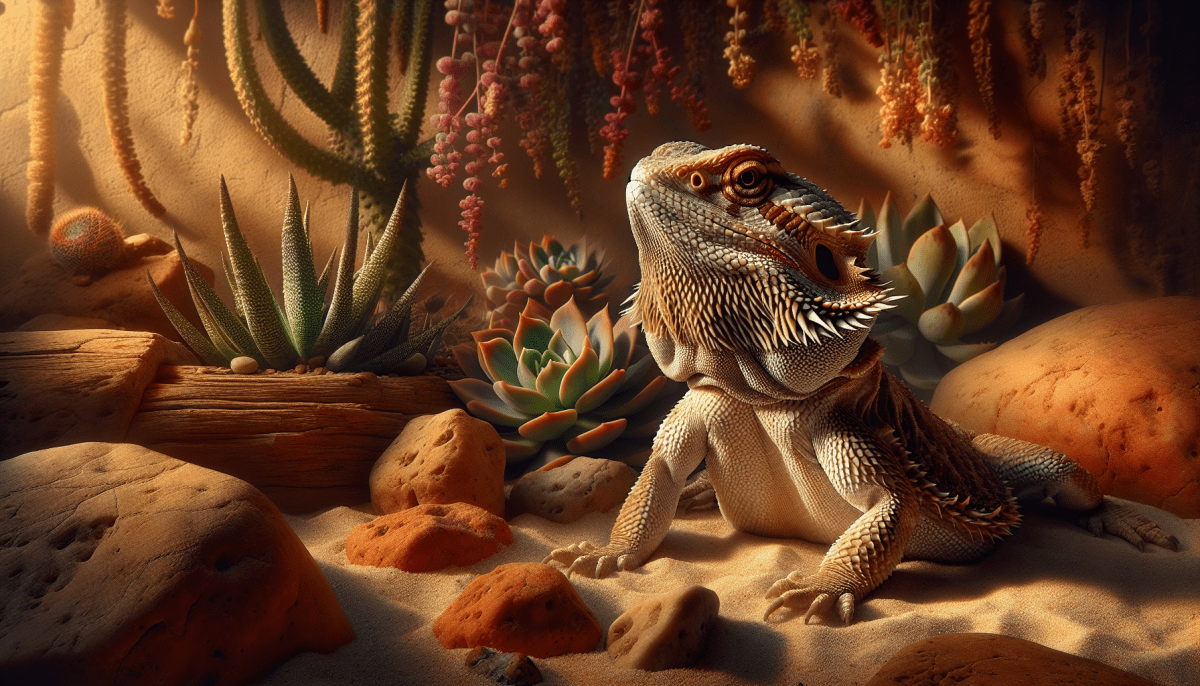
Bearded dragons are pretty expressive creatures, and their body language can tell you a lot about what they’re feeling. Getting to know these signals will help you bond with your pet and understand them better. Here’s a simple breakdown of what to look for.
First up, let’s talk about head movements. If your bearded dragon is bobbing its head, that's usually a good sign! This means they’re feeling confident or even a bit territorial. On the flip side, if they lower their head and keep it down, they might be feeling scared or submissive. It's their way of saying they don't want any trouble.
Now, pay attention to their arms and legs. If your bearded dragon is doing push-ups, it’s showing off, expressing dominance or excitement. They're not actually trying to get fit, but rather showing you and anyone else around that they mean business! Just make sure to watch out for the ‘splaying’ move too. If their limbs are stretched out, it can mean they’re feeling stressed or too hot.
Another key sign is tail position. A relaxed tail that’s hanging down means your bearded dragon is calm and content. But if they’re puffing it up or waving it around, that usually means they’re feeling threatened or defensive. It's their way of saying, "Stay back!"
Finally, look at their beard! A dark, puffed-up beard indicates your dragon is feeling aggressive or upset. But if the beard is light and flat, it’s a sign they’re feeling chill. Understanding these cues can help you create a better environment for your bearded buddy.
Signs of a Happy Bearded Dragon
Bearded dragons are pretty unique pets, and spotting their happiness can be a fun part of owning one. When your bearded dragon is truly content, you’ll notice some clear signs that show it’s feeling good.
One of the best indicators of a happy bearded dragon is when it’s active and curious. If you see your dragon climbing around its tank or exploring its surroundings with enthusiasm, that’s a good sign! They love to bask under the heat lamp and soak up UVB light. If your bearded friend is frequently sunbathing, it’s a great sign it’s feeling safe and happy.
You’ll also want to pay attention to their body language. A happy bearded dragon might puff up a bit and display its beard, but not in an aggressive way. It’s more like showing off! If your dragon isn’t hissing or turning black, it’s likely in a comfortable mood. Just keep an eye out for relaxed posture and bright colors.
Another great sign is their appetite. Healthy, happy dragons love to eat! If your bearded dragon is eagerly devouring crickets, vegetables, or other treats you offer, that’s a clear indicator they’re feeling good. Don't forget to mix it up with their diet to keep things exciting!
Lastly, social interaction plays a big role. If your bearded dragon enjoys spending time with you, whether it’s lounging on your shoulder or just sitting by you, it’s a sign of a happy pet. They thrive on gentle handling and might even seek out your company. A happy bearded dragon truly enjoys bonding with its human!
Common Behaviors and What They Mean
First up, let’s talk about basking. If you see your bearded dragon sprawled out under the heat lamp, they’re soaking up the warmth. This is totally normal! Bearded dragons are ectothermic, which means they rely on external heat to regulate their body temperature. It’s a sign that they’re comfortable and happy!
Now, if your beardie is digging around in their substrate or trying to burrow, they might be feeling a bit stressed or need some quiet time. Sometimes they do this when they’re ready to sleep or just want to hide away for a bit. This isn’t a bad thing; it’s just their way of saying they need some space.
You might notice your bearded dragon bobbing their head or doing a little dance. This is their way of communicating and showing dominance or excitement. Head bobbing is typically more common in males, but it’s actually a sign of confidence. If you see this, your beardie is feeling good!
Lastly, keep an eye on their appetite. If your bearded dragon suddenly loses interest in food, it could be a sign of stress or health issues. However, if they’re eating well and showing interest in treats, they’re likely happy and thriving. Understanding these behaviors helps you take better care of your scale buddy!
Calming Your Bearded Dragon During Stress
Bearded dragons can get stressed out just like us, and it’s important to know how to help them chill out. Stress can come from various things, like changes in their environment, loud noises, or even handling them too much. Here are some simple ways to calm your bearded dragon and help them feel at ease.
First, create a cozy environment. Make sure their habitat is set up with plenty of hiding spots, such as caves or plants, where they can retreat if they feel overwhelmed. These little hideaways give them a sense of security. Keep the temperature comfortable and provide a nice basking area, so they can warm up when they need to. A happy dragon loves a well-maintained home!
Next, limit handling, especially during stressful times. While it’s fun to bond with your bearded dragon, too much interaction can throw them off. Allow them to adjust to their environment before you start picking them up. When you do handle them, try to be gentle and calm. Approach slowly and let them come to you instead of grabbing them. This builds trust!
Lastly, consider some calming techniques. You can play soft music or keep the lighting soft and warm to create a soothing atmosphere. Some owners even find that wrapping their dragon in a light blanket or towel can help them relax. Just make sure they’re comfortable and not too confined. A simple routine helps too; your bearded dragon will feel more secure knowing what to expect each day.