Bearded dragons, or "beardies" as we often call them, have quite a fascinating history! Originating from Australia, these lizards have called the arid deserts and rocky scrublands home for millions of years. Their adaptability helped them thrive in tough environments, and it shows in their lovely personalities. Fun fact: the name "bearded dragon" comes from the spiny throat pouch that can puff up to show off when they feel threatened or just want to impress!
When it comes to the modern pet trade, bearded dragons really started gaining popularity in the late 1990s. Pet lovers fell head over heels for their calm demeanor and quirky behaviors. They’re not just a pretty face; they’re also very interactive and love to hang out with their owners. Many people consider them to be a great first reptile due to their manageable size and easy care requirements.
Over the years, breeders have experimented with various genetic traits, giving rise to some stunning morphs. You'll find colors like vibrant oranges, yellows, and even some with unique patterns. This has made beardies even more appealing to collectors and beginners alike. These wonderful creatures come in all shapes and styles, ensuring there's a perfect match for everyone who wants to take one home!
The care for bearded dragons has also evolved. Today, we know a lot more about their habitat needs, dietary preferences, and health. Owners are more equipped than ever to create a thriving environment for these reptiles. So whether you’re a seasoned reptile keeper or just getting started, bearded dragons are here to stay, and their story is just beginning!
Bearded Dragons in the Wild
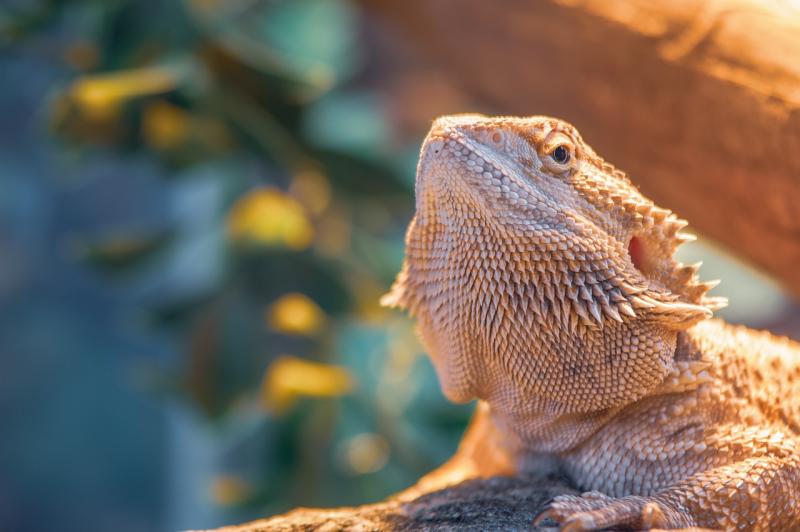
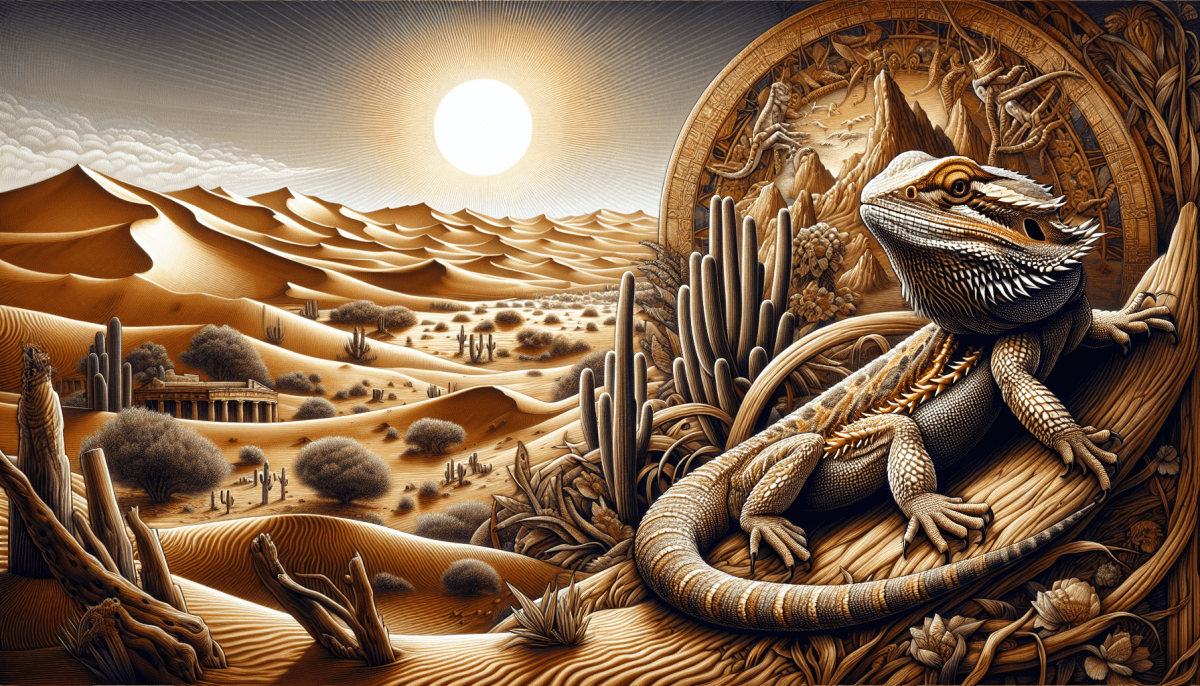
Bearded dragons, or “beardies” as their fans like to call them, come from the sun-soaked deserts of Australia. They thrive in arid environments where they blend in with the sandy terrain and rocky outcrops. In the wild, these lizards can be spotted basking on rocks or branches, soaking up the sun to regulate their body temperature. They’re pretty laid-back creatures, often found just hanging out in their natural habitat.
These little guys are omnivores, which means they eat a mix of plants and insects. In the wild, their diet includes things like grasshoppers, crickets, and leafy greens. They’re opportunistic hunters, meaning they’ll snatch up whatever tasty bugs they can find. It’s not just about the food, though. Their varied diet helps them stay healthy and thrive in the wild.
Beardies have some cool behaviors that help them survive. When feeling threatened, they might puff up their throats to appear bigger, earning them their name. They also display a range of colors depending on their mood, which can be pretty fascinating to watch. If they’re happy or excited, they light up with vibrant hues. If they’re stressed, they might dull down. This color-changing trick is one of the many reasons reptile lovers find them so captivating!
While bearded dragons in the wild face threats like predators and habitat loss, they’ve adapted well to their environment. They know how to hide and stay safe while soaking up the sun. If you ever have the chance to see a bearded dragon in its natural habitat, take a moment to appreciate its unique place in Australia’s ecosystem. They are truly remarkable lizards, balancing their cool looks with some impressive survival skills.
Life as a Pet Bearded Dragon
Having a bearded dragon as a pet can be such a rewarding experience. These little guys are friendly, curious, and easy to care for, making them perfect companions. They have their own unique personalities that shine through, and you’ll definitely find moments that make you smile.
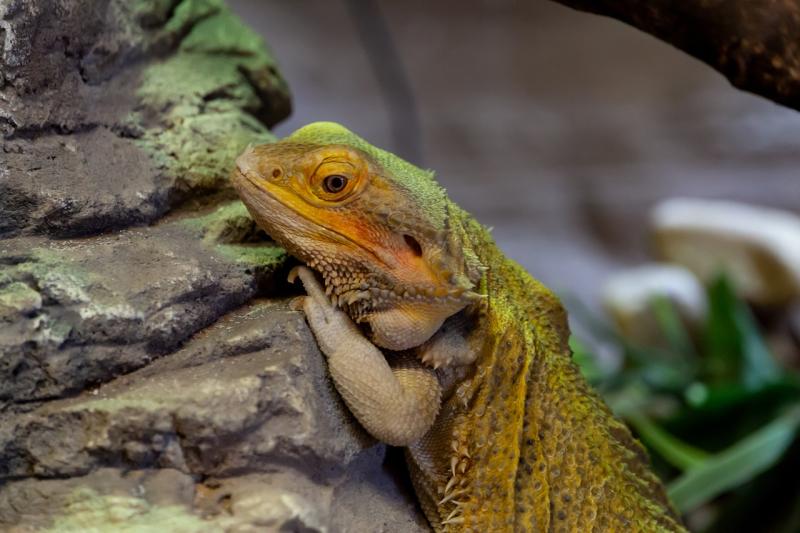
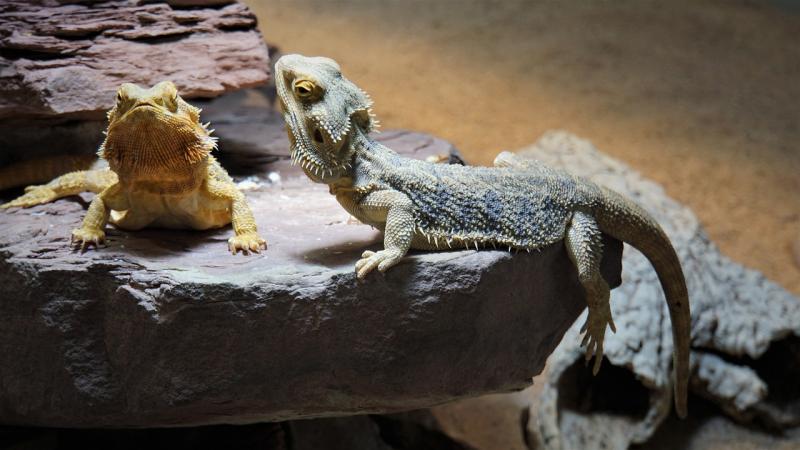
Bearded dragons love to bask under their heat lamp, soaking up the warmth. Watching them stretch out and relax is pretty adorable. They also enjoy climbing on rocks or branches in their enclosure, so adding some cool décor can give them a great habitat and make it fun for both of you!
Feeding your bearded dragon is an adventure, too. They appreciate a balanced diet of insects and leafy greens. Watching them hunt down crickets is not just fun to see but also keeps them active and engaged. Just make sure to give them plenty of variety to keep their meals interesting.
Socializing with your bearded dragon is key. They can get used to you quickly and often enjoy a little cuddle time. Many owners find that their bearded dragons love to chill on their lap or shoulder. This bond grows as you handle them regularly and respect their space.
Overall, life with a pet bearded dragon is filled with fun surprises. They require some specific care, but if you’re willing to put in a little effort, you’ll have a loyal companion that's all about personality. Whether they’re basking, climbing, or being a little goofy, they bring joy to your home every day.
Fun Facts About Bearded Dragons
Bearded dragons are such fascinating creatures! Did you know that they can make great pets for both kids and adults? Their mellow nature and unique personalities make them fun to hang out with. They'll even recognize you when you walk in the room!
These little guys aren't just cute; they're also super smart! Bearded dragons can learn to do tricks and even respond to their owners' voices. If you train them right, you might have a little buddy that comes when you call them. How cool is that?
Ever noticed those spikes on their neck? They’re called “beard” and can puff up when they feel threatened or want to show dominance. It’s pretty wild to see a calm bearded dragon suddenly turn into a fluffy puff of spikes. That’s nature’s way of giving them a little edge!
Another neat fact: bearded dragons are some of the best sunbathers in the animal kingdom! They love soaking up UVB rays, which helps them absorb calcium and keep their bones strong. In their natural habitat, they can often be seen lounging on rocks or branches. Care to set up a cozy basking spot for yours?
Finally, let’s talk meals. Bearded dragons are omnivores, meaning they’ll chow down on both plants and insects. You can keep things interesting by mixing veggies, fruits, and protein. Just remember, variety is key for their health and happiness! Plus, who doesn’t love watching them munch on a tasty treat?